
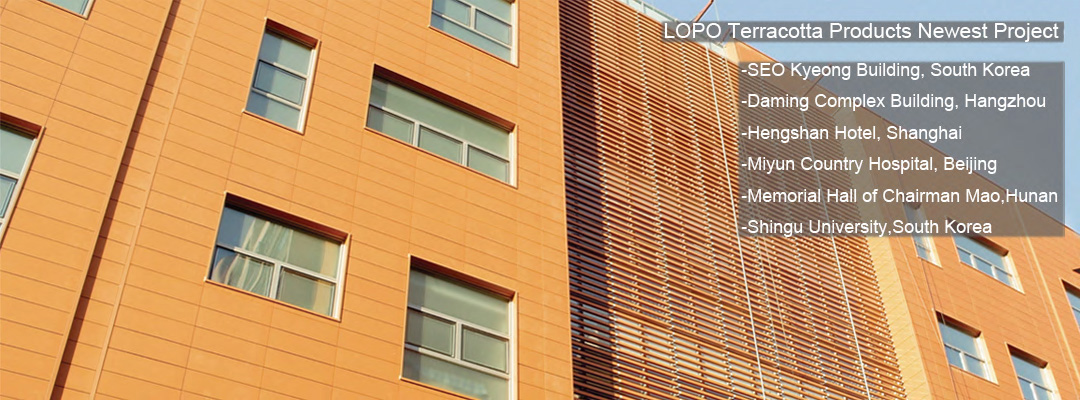
LOPO Material and Culture Huandong Yunqi does not rebuild a traditional courtyard house. It remembers one through color, material contrast and the mea...
MoreA modern headquarters building is no longer judged only by its height or its interior quality. The building envelope has become one of the most import...
MoreWhite is never just white in architecture. Under morning light it can feel quiet and cool; under strong afternoon sun it becomes sharp and sculptural;...
MoreWithin this urban transformation, the Iloilo Tech & Business Hub was developed as a new mixed-use campus designed to support technology companies, research institutes, and collaborative workspaces. The project introduces a modern architectural language that combines contemporary materials with climate-responsive design strategies suited for the tropical environment.
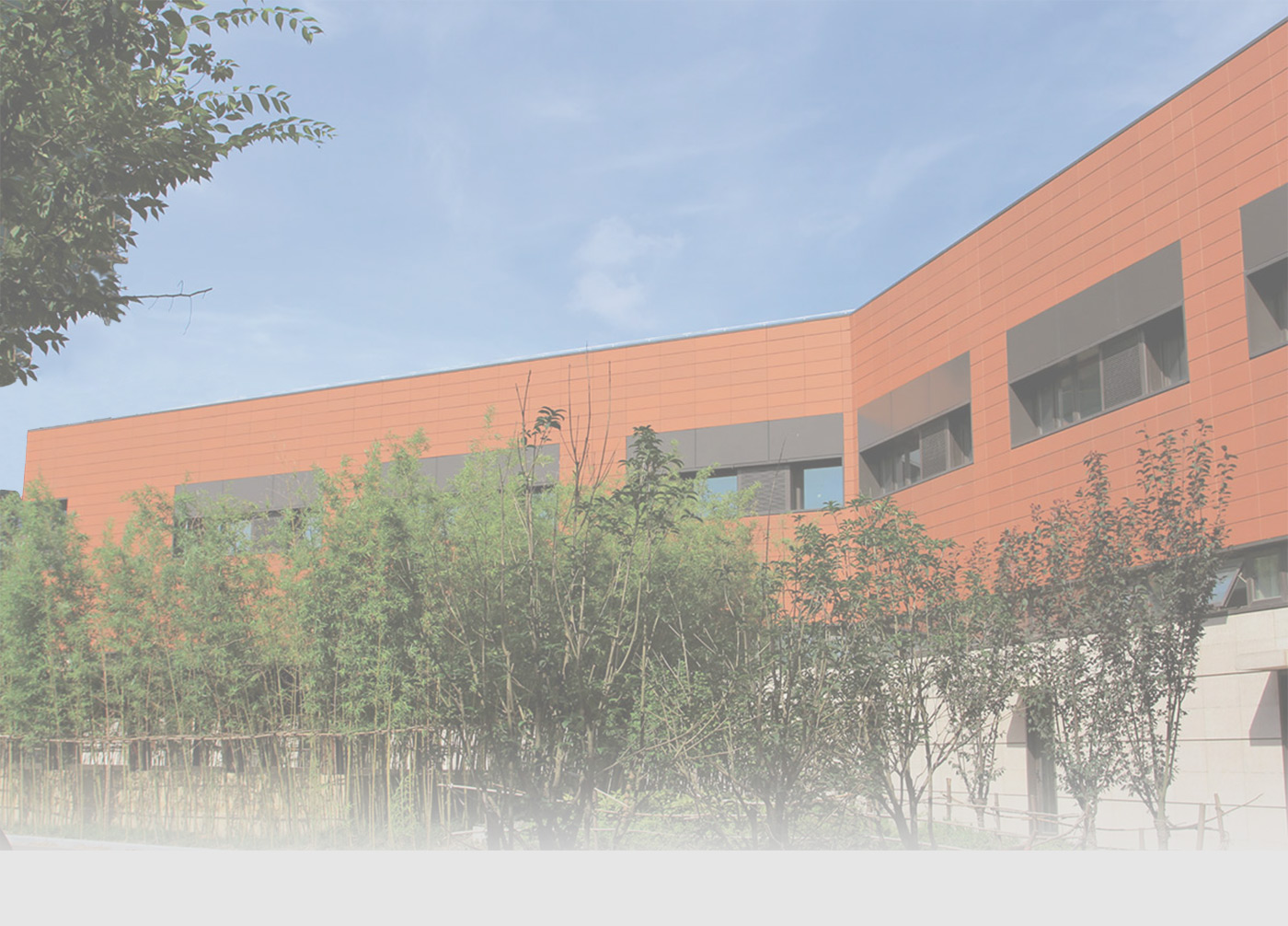
One of the most distinctive elements of the development is its extensive use of Terracotta Cladding and ventilated facade systems, giving the campus a warm and sophisticated architectural identity while enhancing environmental performance.
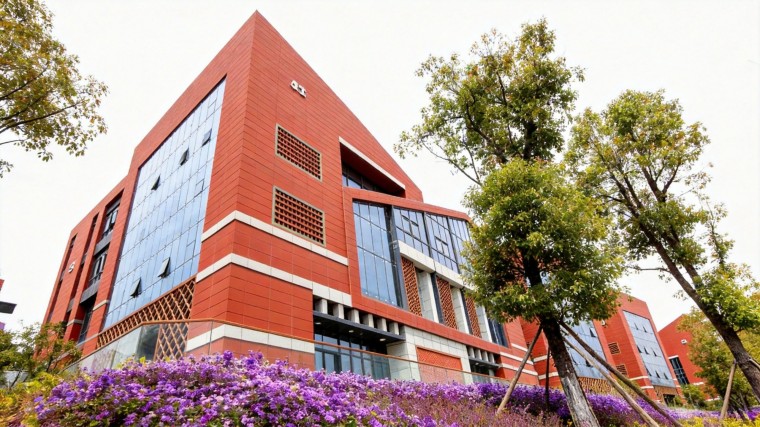
Iloilo has long been recognized as one of the Philippines’ most culturally significant cities. Known for its historic heritage buildings and Spanish colonial urban fabric, the city is now balancing preservation with modern development.
The Iloilo Tech & Business Hub was conceived as a bridge between these two eras — a place where technological innovation and architectural tradition can coexist.
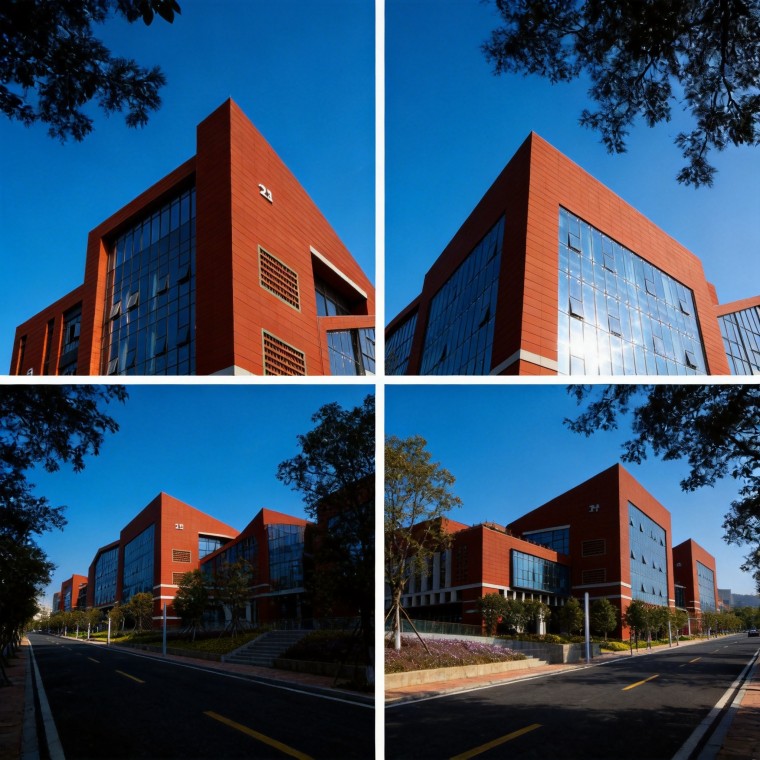
The campus consists of several mid-rise office buildings arranged around landscaped plazas and pedestrian corridors. This open urban layout allows natural ventilation and encourages public interaction throughout the site.
The architecture emphasizes simple geometric forms and clean structural lines. The buildings are characterized by large rectangular volumes with recessed glass curtain walls framed by textured ceramic surfaces.
The use of clay-based materials reflects a broader architectural tradition found throughout Asia. Clay and terracotta have historically played a significant role in architectural expression across the region, as seen in many traditional construction techniques. Similar influences can be observed in Architecture of Philippines, where clay materials have long shaped building design in tropical climates.
In this project, traditional material inspiration is translated into modern facade technology through the use of Terracotta Facade Panels.
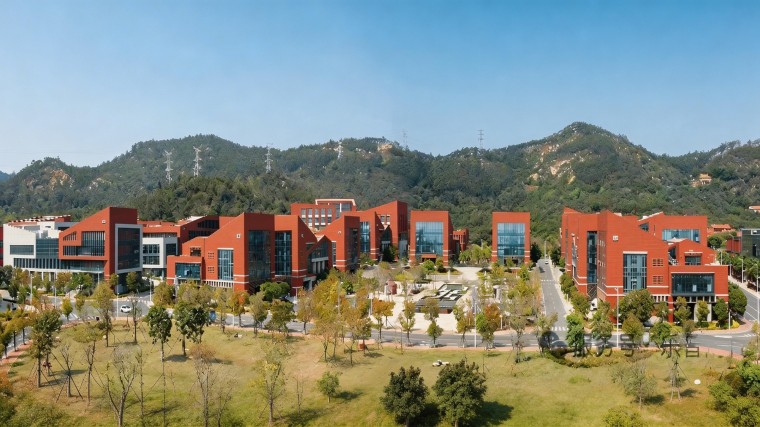
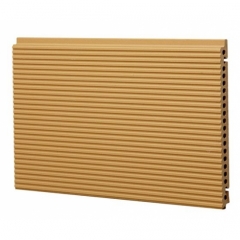
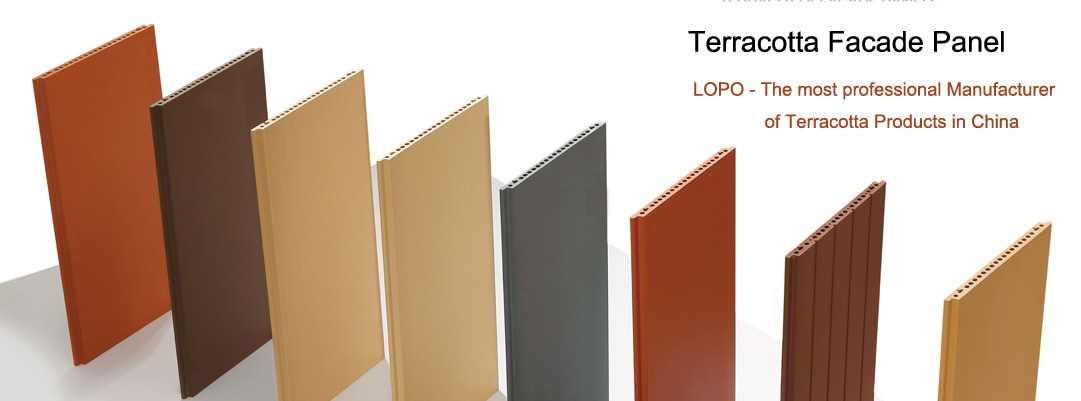
The buildings of the Iloilo Tech & Business Hub are wrapped with a ventilated facade system using LOPO Terracotta Panel products manufactured by LOPO Terracotta Corporation, a specialized architectural terracotta producer based in China.
These Clinker Panel systems are designed as part of a modern terracotta rainscreen assembly. Installed on an aluminum substructure, the panels create a ventilated cavity between the cladding surface and the building wall.
This configuration provides several benefits:
The terracotta panels used in this project feature a warm clay-red color that complements the tropical environment while providing a timeless architectural appearance.
Typical panel characteristics include:
More product information is available here:Terracotta Panel System.
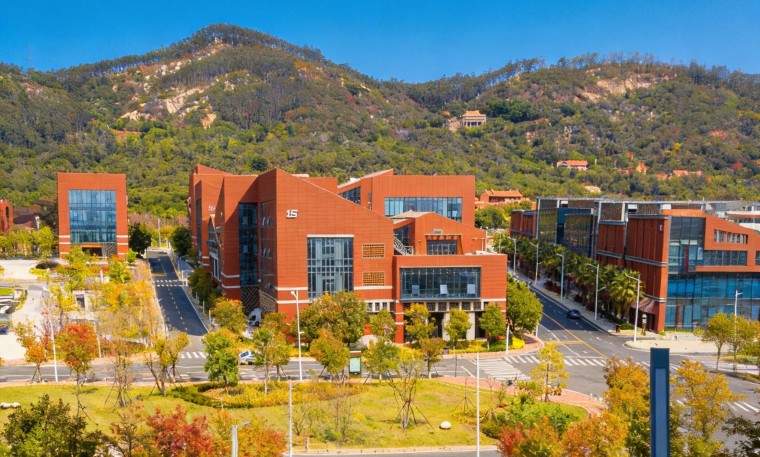
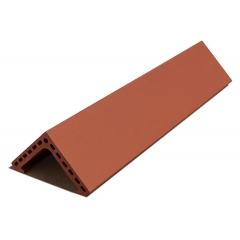
To further enhance climate responsiveness, the architects incorporated Terracotta Louvers and Terracotta Fins into several areas of the building envelope.
These vertical ceramic elements function as shading devices that reduce direct sunlight on glass curtain walls. At the same time, they contribute to the visual rhythm of the facade by introducing depth and shadow.
The use of Clay Louvers also supports natural ventilation strategies by allowing air circulation while maintaining solar protection.
This layered façade design reflects an important principle in tropical architecture: balancing daylight, airflow, and shading to create comfortable interior environments without excessive energy consumption.
In selected areas of the campus, the facade design is enhanced with LOPO Terracotta Baguette elements. These slender ceramic rods are arranged in vertical screens that function as both sunshading structures and architectural decoration.
The Terracotta baguette sunscreens create elegant semi-transparent layers in front of glass façades, allowing filtered daylight while maintaining privacy for interior spaces.
These elements also introduce a sculptural quality to the buildings, reinforcing the identity of the technology campus.
Additional product information can be found here:Terracotta Sunscreens and Baguette Systems.
The architectural expression of the Iloilo Tech & Business Hub is defined by the contrast between different façade materials.
The warm terracotta surfaces provide a natural counterpoint to the cool reflective glass curtain walls. Concrete structural frames further emphasize the geometric composition of the buildings.
This contrast creates a dynamic visual balance between solidity and transparency, giving the campus a contemporary and sophisticated appearance.
Throughout the day, sunlight interacts with the terracotta panels and ceramic baguette screens, producing subtle variations in color and shadow that animate the building façades.
As Philippine cities continue to modernize, architects are increasingly seeking façade materials that combine aesthetics, durability, and environmental performance.
Architectural terracotta is emerging as an ideal solution for tropical regions because of its natural resistance to weathering and its excellent thermal properties.
Products such as Terracotta Wall Panel, Terracotta sunscreens, Terracotta Louvers, and architectural clay elements allow designers to create buildings that are both visually striking and environmentally responsible.
In rapidly developing cities like Iloilo, Cebu, and Davao, terracotta façade systems are expected to become increasingly common in universities, cultural institutions, office campuses, and public buildings.
The Iloilo Tech & Business Hub illustrates how contemporary architecture in the Philippines can successfully integrate modern façade technology with traditional clay materials.
Through the use of Terracotta Rainscreen systems, Terracotta baguette sunscreens, and Clay Louvers, the project achieves a balance of aesthetic warmth, environmental performance, and long-term durability.
As more architects explore the possibilities of terracotta architecture, materials supplied by manufacturers such as LOPO Terracotta Corporation will continue to play an important role in shaping the future of sustainable building design in Southeast Asia.
Learn more about architectural terracotta systems here:LOPO Terracotta Panel.