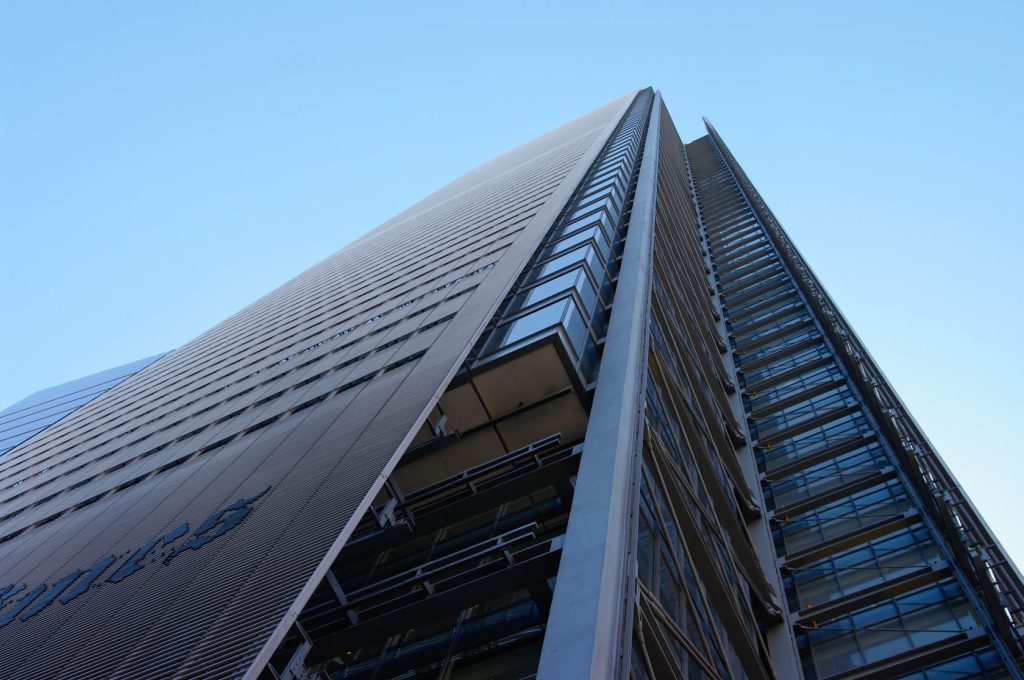
Ceramic Rod Screen Density at the New York Times Building
A street view and a close view of the New York Times Building show how one horizontal ceramic element can read as a dense field, an opening, or a fading…
Read insightTECHNICAL GUIDES & PROJECT STORIES
Practical guidance, technical notes and project experience for architects, facade consultants, contractors and specifiers.
A street view and a close view of the New York Times Building show how one horizontal ceramic element can read as a dense field, an opening, or a fading…
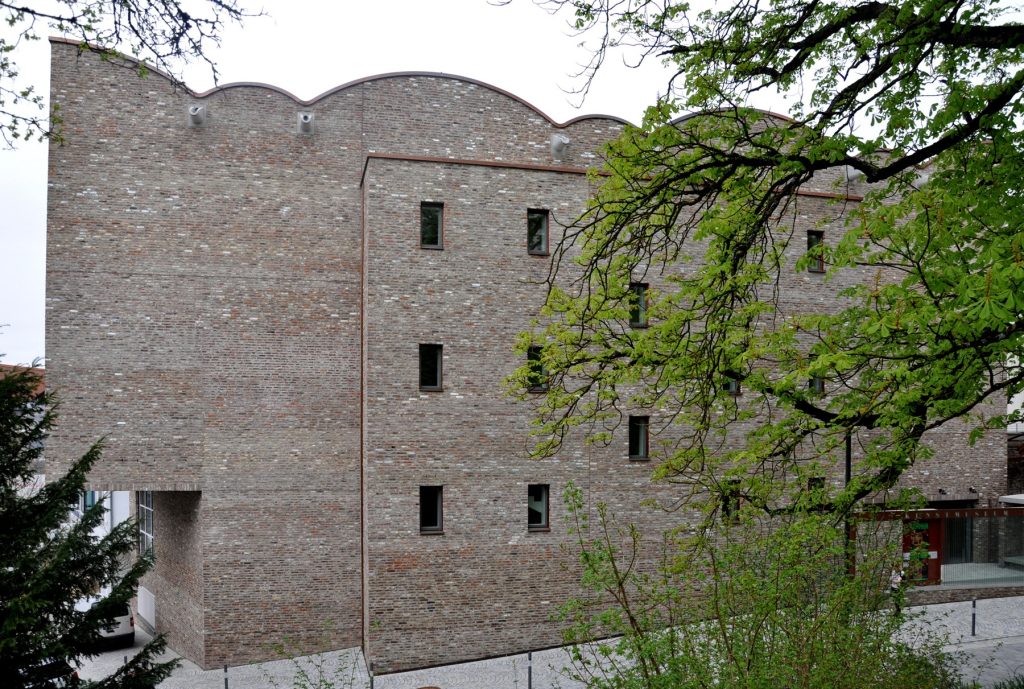
Read insightRavensburg Art Museum uses reclaimed brick, selected openings and a curved roofline to fit a new museum into its historic city.
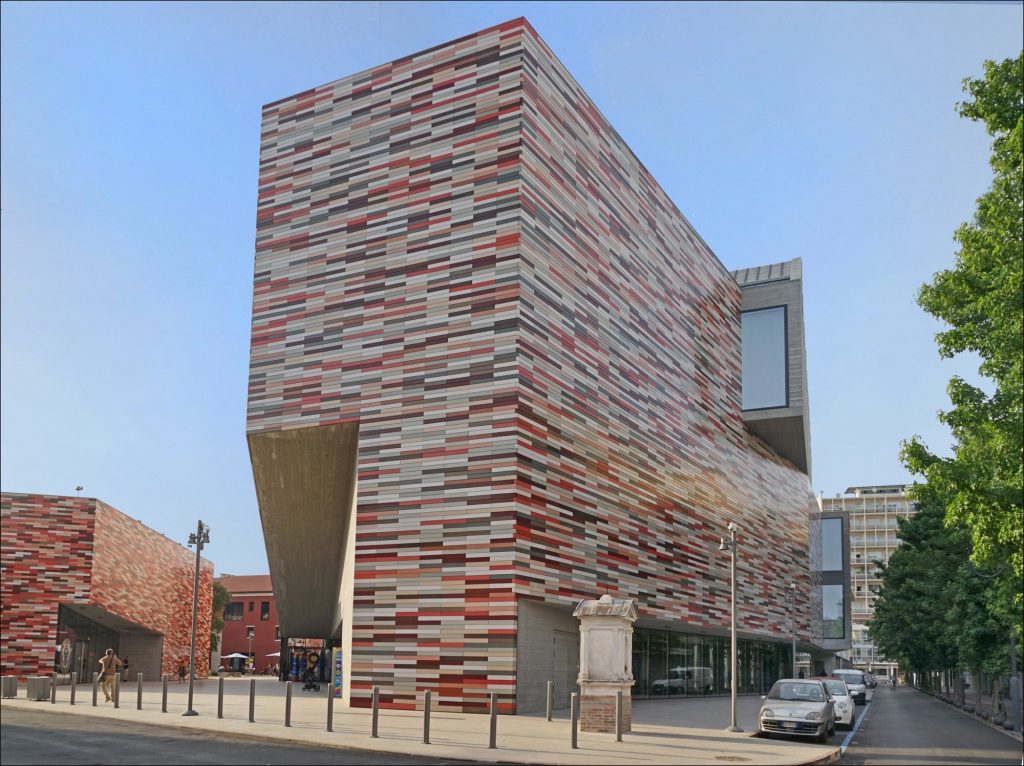
Read insightAn architectural study of M9 in Mestre: ceramic color is read through a public route, beside concrete and restored buildings.
Read insightA third-party architectural precedent study of Studio KO's Marrakech museum, examining how fired-clay patterns connect building identity and viewing distance.
Read insightA historic London museum entrance shows how terracotta can organize a facade at three viewing distances. Study its arch layers, repeated details and material hierarchy for a contemporary brief.
Read insightA design reading of Yangjiang Cultural Center: how repeated ceramic elements, controlled interruptions and the landscape edge give a large public building several scales of attention.
Read insightExplore terracotta corners through Tien Bo Plaza in Hanoi. See how horizontal bands, recessed areas and panel joints shape a building’s rounded street frontage.
Read insightPlan the shared space before choosing screen spacing. A LOPO residential project photograph offers a starting point for thinking about entrances, seating, private edges and material selection.
Read insightA simple geometric comparison explains why a repeated screen can look open from the front and denser along a pedestrian route.
Read insightA specification-led method for choosing fired-clay colours and finishes, approving realistic variation, coordinating performance and preserving the intended façade appearance.
Read insight